Make room for learning
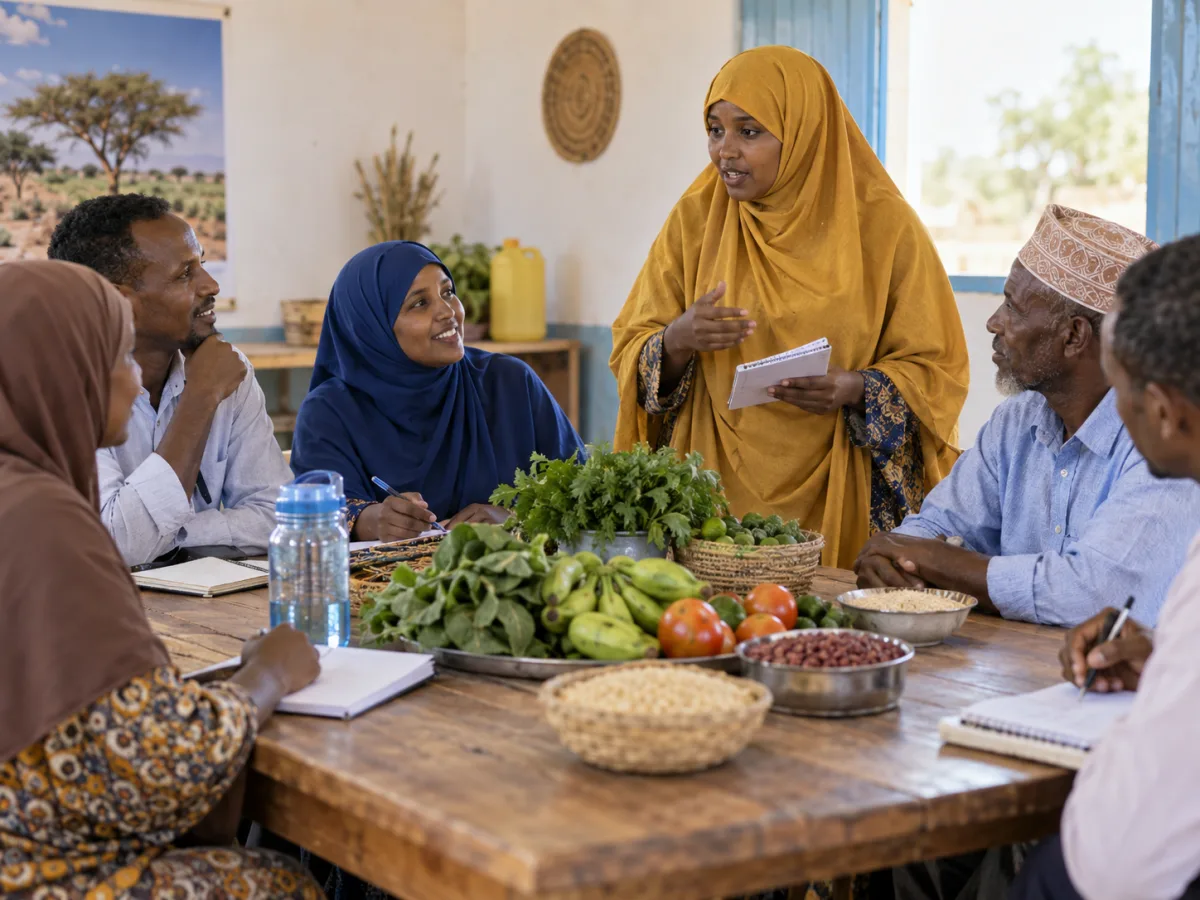
Local organizations carry knowledge from daily work with communities. When that knowledge is combined with careful monitoring and open discussion, it can help partners see where an approach is working and where it needs to change.
Learning does not have to wait until a project ends. Teams can compare observations, ask communities what they are experiencing and adjust activities as new information appears. The goal is to make decisions more useful and more accountable.
Turn evidence into coordination
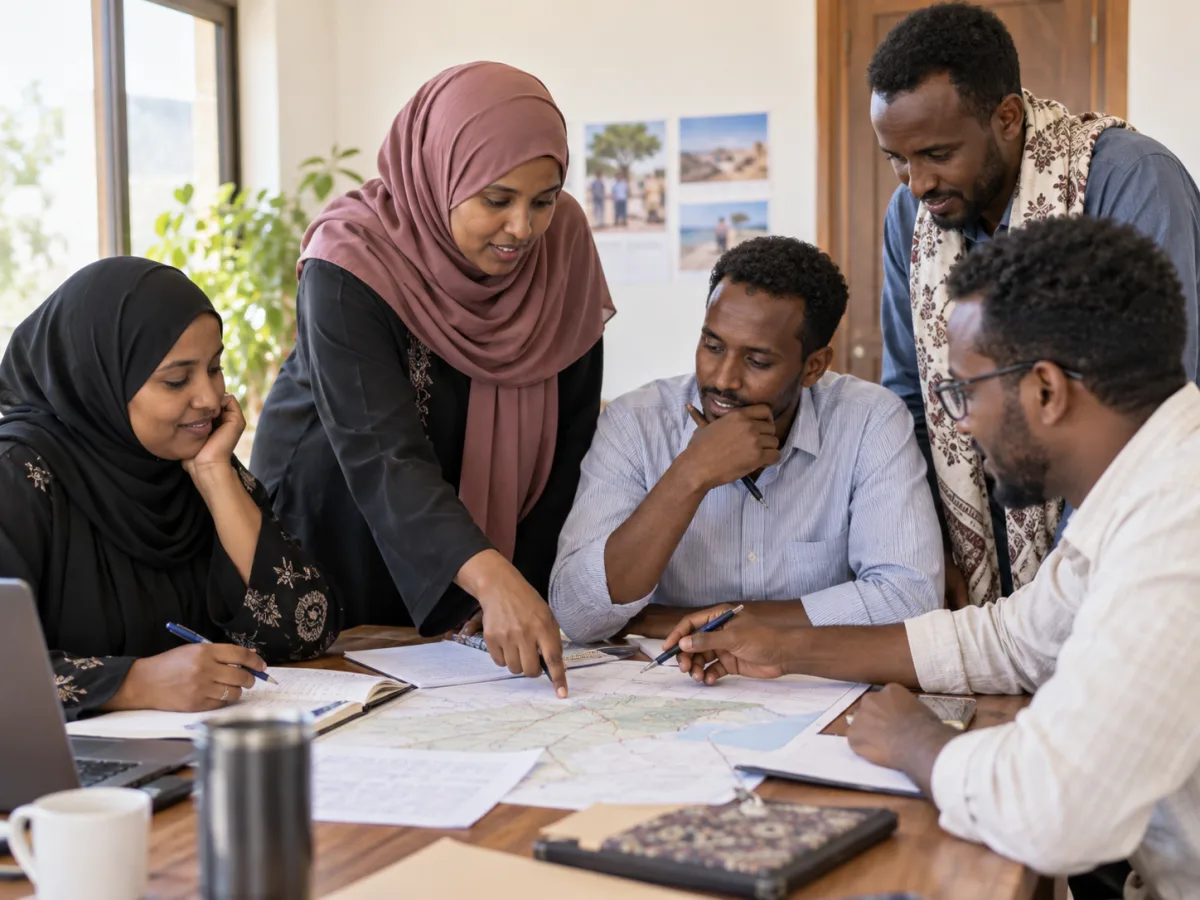
Evidence has greater value when it can travel between community groups, member organizations and decision makers. Clear summaries, accessible meetings and opportunities to question assumptions help turn separate observations into shared priorities.
SCSA-SUN's focus on convening, capacity strengthening, evidence and resource linkage offers a way to connect those priorities. It gives civil society a stronger basis for coordinated nutrition and food-security action.
A practical learning cycle
- Listen to communities and local organizations.
- Record what is changing and what remains uncertain.
- Discuss findings together and agree on a response.
- Return to communities with the decision and invite further feedback.
Read about our capabilities or contact the secretariat to continue the conversation.