A connected view of food security
Food security is not a single crop or a single harvest. For many Somali communities, it also depends on livestock, access to water, working markets and the ability to adapt when conditions change. Cultivation and pastoral livelihoods are both part of that picture.
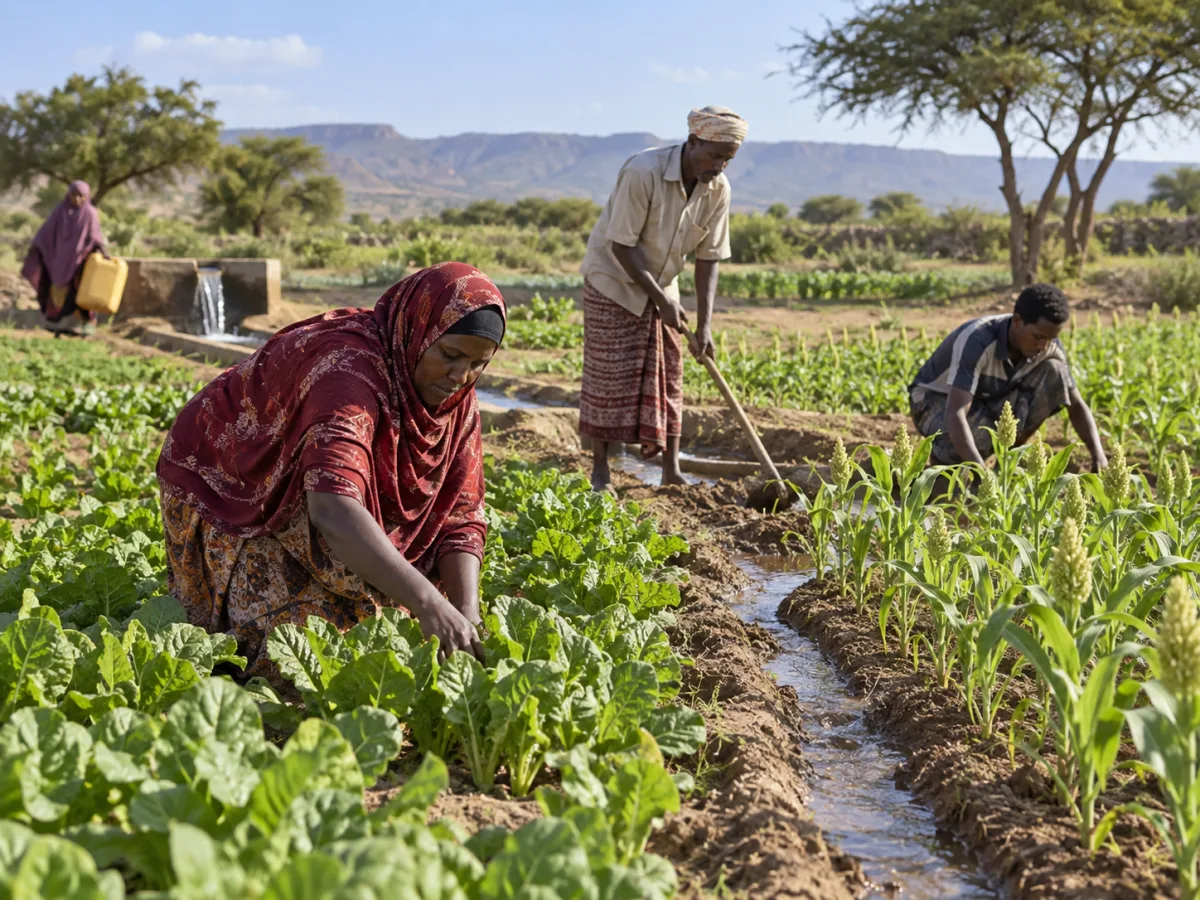
Irrigation can help growers use available water to support vegetables and staple crops. Healthy livestock can provide food and income, while the people who care for animals need access to water, information and services. Different places have different needs, so responses should begin with local knowledge rather than a fixed recipe.
Supporting choices over time
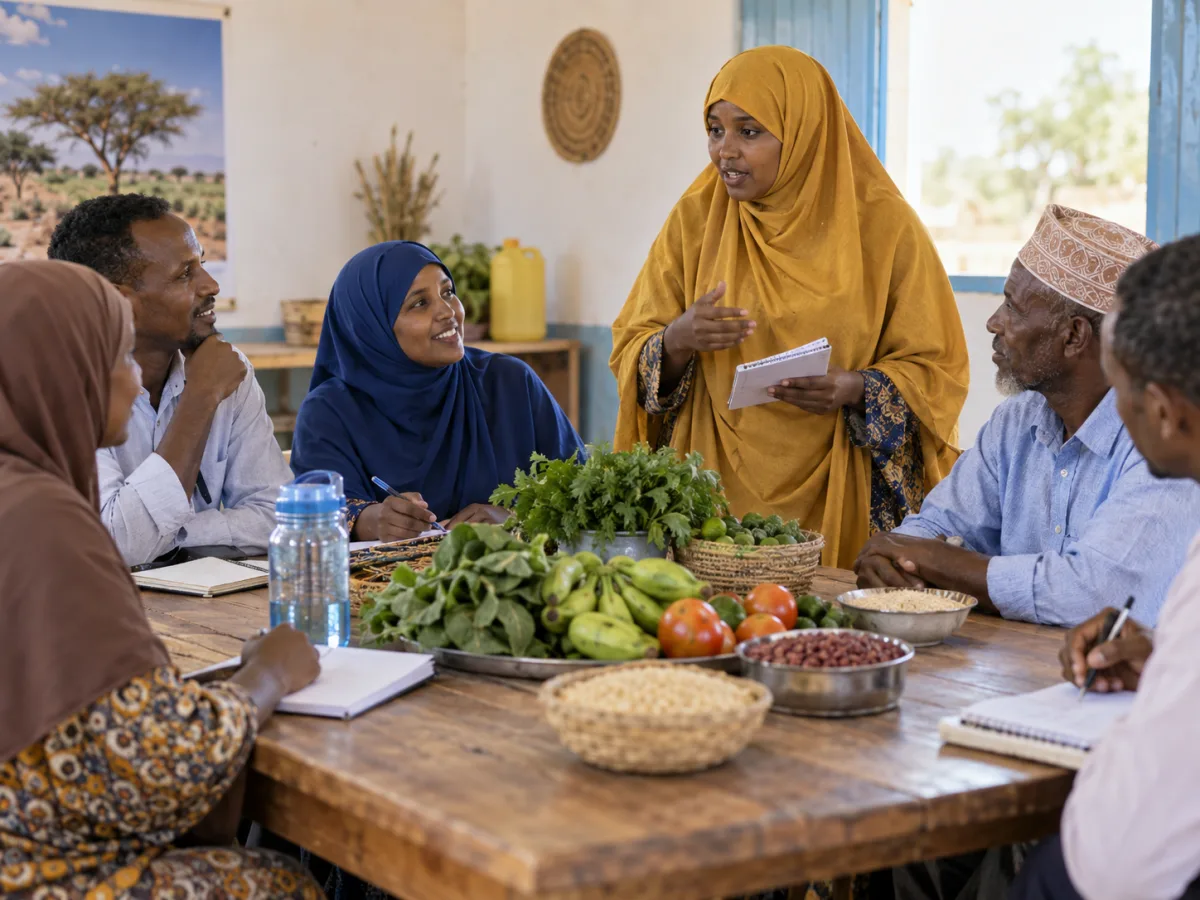
Resilience grows when immediate needs and longer-term livelihoods are considered together. Practical work can connect nutrition education with locally produced food, support collaboration among farmers and pastoralists, and strengthen the organizations that communities already know.
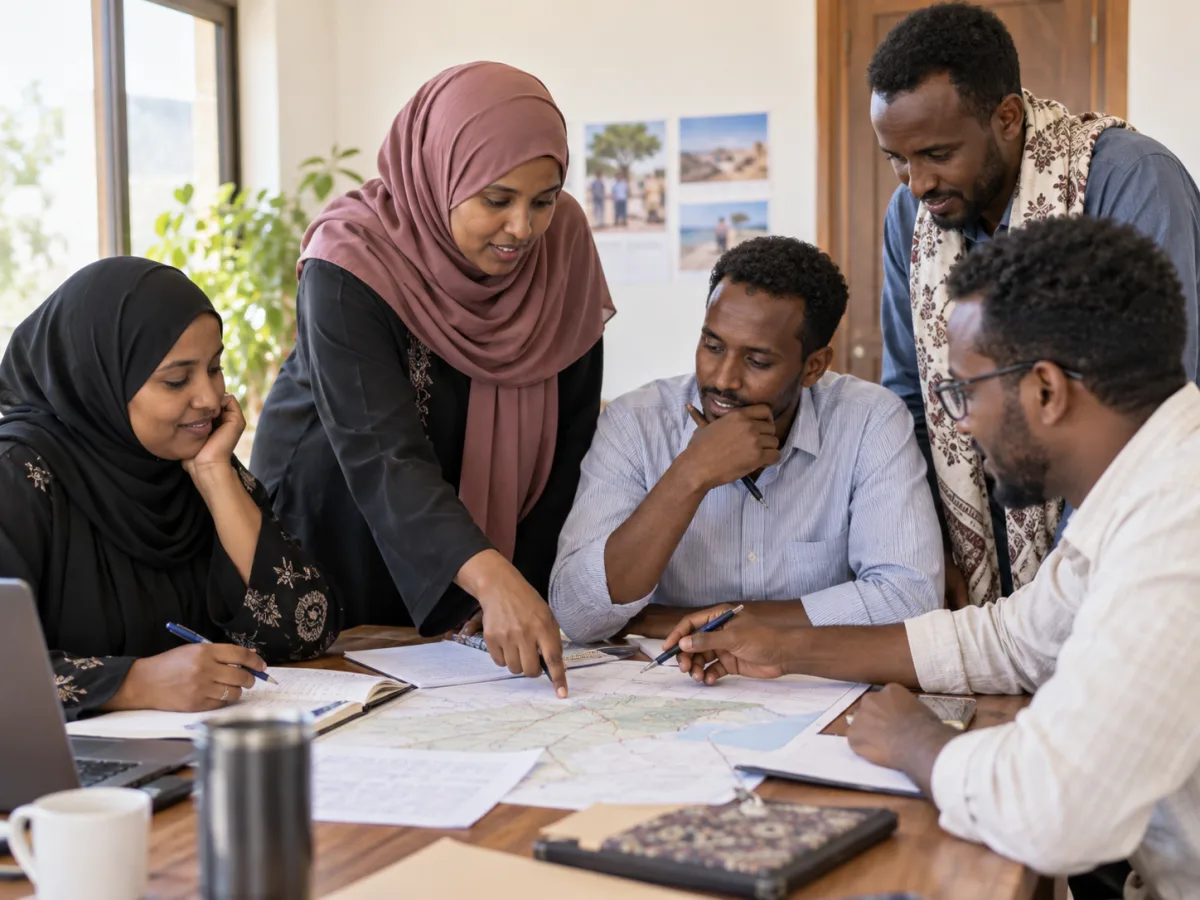
SCSA-SUN brings these themes together through its work on food security, nutrition and climate resilience. Its role is to help civil society share evidence, coordinate priorities and contribute to action that reflects local realities.
Questions for every plan
- Who can access land, water and services?
- How are cultivation and livestock livelihoods affected?
- What local knowledge should guide the next step?
Learn more about food security and livelihoods and where the alliance works.